Fragrance is one of the most profitable categories in consumer products.
And it’s not because of what’s inside the bottle.
The Cost Breakdown
Let’s take a typical $70 perfume:
- Fragrance oil: $1–$3
- Alcohol + formulation: $2–$5
- Packaging: $10–$15
- Marketing: ~$7
- Retail margin: 40–60%
By the time everything is accounted for, the actual product cost is a fraction of the retail price.
Where the Value Comes From
In fragrance, value is driven by:
1. Brand Identity
Consumers aren’t buying scent.
They’re buying:
- Status
- Emotion
- Identity
2. Packaging
The bottle often matters more than the formula.
It communicates:
- Luxury
- Quality
- Giftability
3. Distribution
Retail placement drives volume.
Being in Sephora or Ulta:
- Builds credibility
- Enables discovery
- Increases conversion
4. Marketing
Celebrity association and storytelling drive demand.
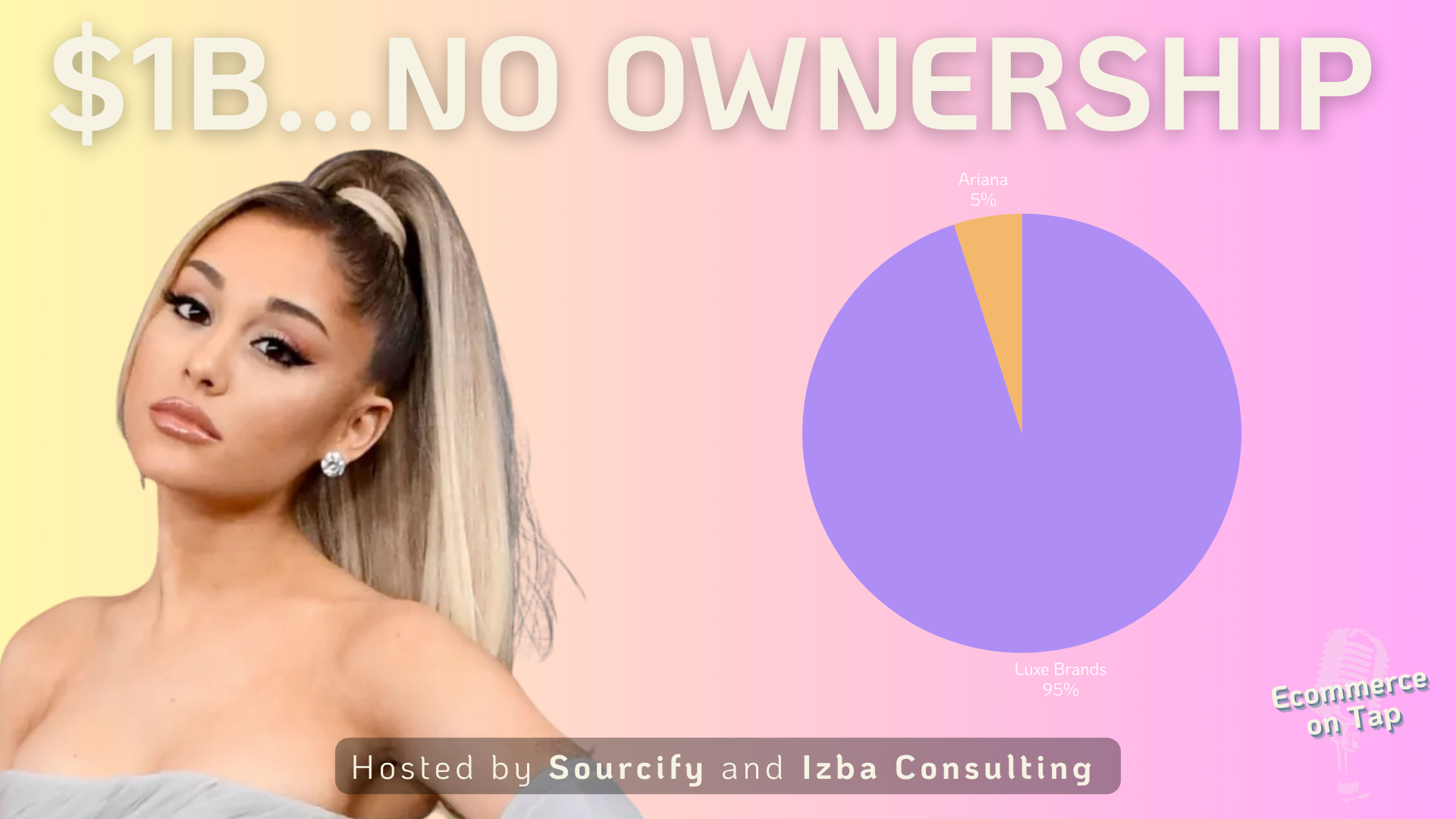
The Ariana Grande Example
Her fragrance line demonstrates this perfectly:
- Affordable price point
- Strong brand identity
- High perceived value
This combination allowed it to scale to over $1B in sales.
The Takeaway
Fragrance margins are high because:
→ The cost of goods is low
→ The perceived value is high
→ The distribution is powerful
For brands, this creates a unique opportunity:
If you can build the brand…
The economics will follow.