When founders hear that a “knockoff” and a premium product come from the same factory, it sounds like a conspiracy.
It isn’t.
It’s one of the most misunderstood truths in Chinese manufacturing — and one of the most important for founders to understand before approving production.
🔹 “It’s the Same Factory” Doesn’t Mean It’s the Same Product
A common assumption is that if two products are made in the same factory, they must be the same quality.
That’s false.
Factories don’t make “good” or “bad” products.
They make what they’re told to make.
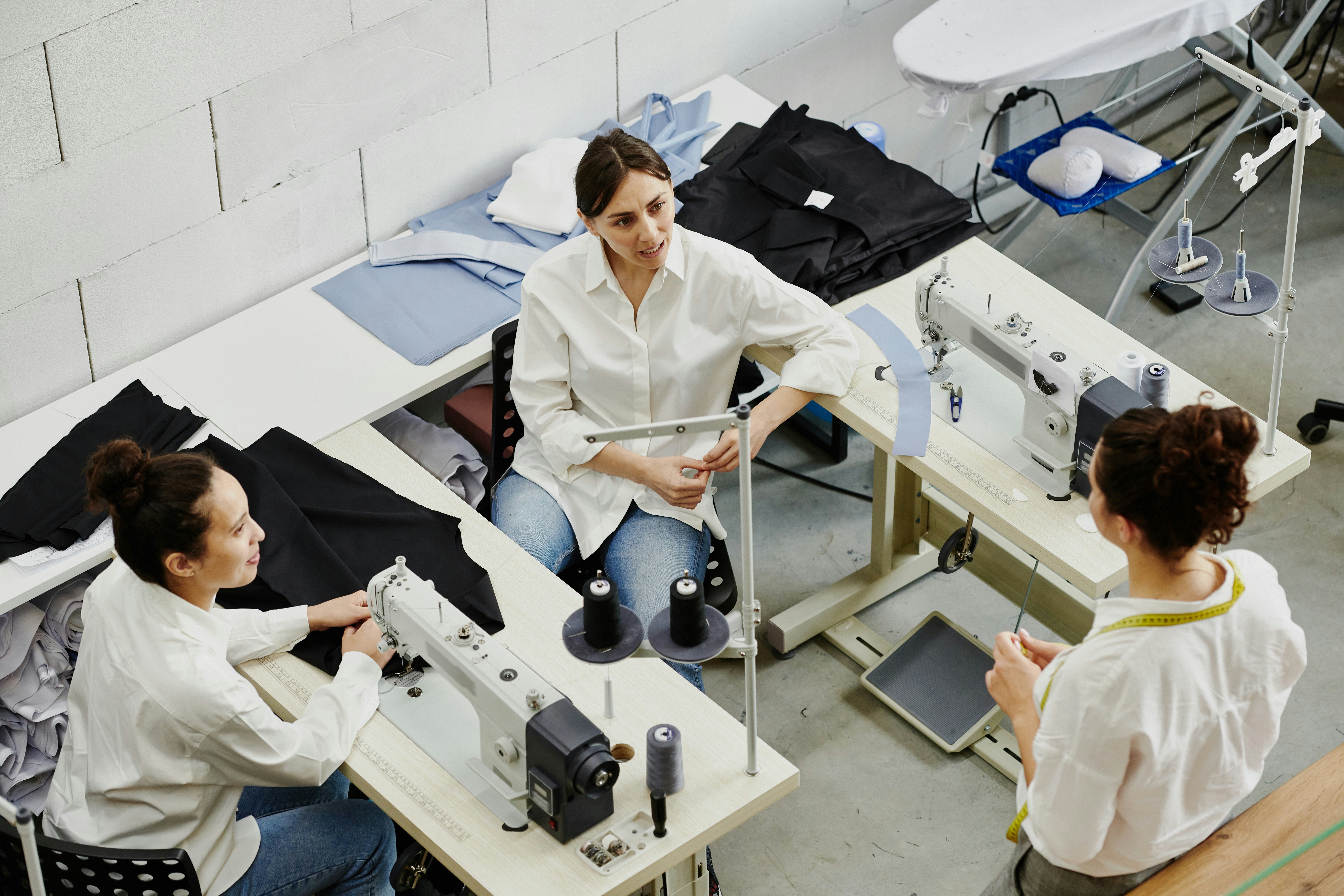
The same facility can produce:
- A premium, tightly controlled product for a global brand
- A low-cost version stripped of materials, steps, and QC for a platform like Temu
Same machines.
Same workers.
Different instructions.
🔹 Quality Is a Function of Specs, Not Geography
Factories operate on specifications.
What changes between a $5 product and a $50 product is usually:
- Material grade
- Tolerances
- Number of production steps
- Inspection frequency
- Rejection thresholds
When those requirements loosen, cost drops fast.
When they tighten, cost rises — even in the same building.
Price is not a signal of where something was made.
It’s a signal of how much process discipline was paid for.
🔹 Why Western Brands Used to Be the Trust Layer
For decades, Chinese factories produced the goods — but Western brands absorbed the trust.
If something said Nike or Adidas, consumers felt safe, even if the product was fully made in China. The brand acted as a quality guarantee, not the factory.
That psychology still lingers today:
- “Made in Italy” feels premium
- “Made in China” feels risky
But the manufacturing reality has flipped faster than perception.
🔹 When the Curtain Lifted During the Trade War
During the early trade-war years, Chinese factories and trade groups made a deliberate move: they exposed how much “luxury” manufacturing already happened in China.
Nearly finished products — bags, accessories, components — were shown publicly to demonstrate that:
- Quality was already there
- Branding, not production, created the price delta
This wasn’t just economic pressure — it was reputational leverage.
🔹 Why This Matters More Now Than Ever
Platforms removed the brand trust layer.
When founders sell directly to consumers, there’s no buffer. If quality slips, the brand — not the factory — takes the hit.
That’s why “same factory” is dangerous thinking.
What matters isn’t who made it.
It’s what standards were locked before production began.
🔹 The Founder Mistake That Causes Most Quality Failures
Founders often approve samples assuming:
“The factory knows what ‘good’ means.”
They don’t.
Factories optimize for:
- Speed
- Yield
- Cost
- Throughput
Unless specs are documented, enforced, and inspected, quality will drift — especially under margin pressure.
Samples prove capability.
Production tests systems.
🔹 The Real Takeaway for Founders
If two products come from the same factory and one fails, the factory isn’t the problem.
The problem is:
- Missing specs
- Assumed standards
- No operational oversight
Factories don’t decide quality.
Founders do — whether intentionally or by default.
This is where experienced sourcing oversight matters most.
If you’re choosing factories based on quotes alone, you’re leaving quality up to chance.
We help founders lock specs, control production, and avoid the silent failures that only show up after launch.