Over the last decade, manufacturing in Vietnam has become one of the most talked-about alternatives to China.
Lower labor costs. Fewer tariffs. A growing factory base.
On paper, it looks like a no-brainer.
In practice, Vietnam is excellent for some products—and quietly wrong for others. Brands that treat it as a drop-in replacement for China often discover the mismatch only after missed launches, strained margins, or quality drift.
This guide breaks down what Vietnam manufacturing is actually good at, where it struggles, and why many brands exit Vietnam after their first year.
Vietnam Is Not “China, But Cheaper”
That assumption is the root of most problems.
Vietnam’s manufacturing ecosystem is narrower, more specialized, and less vertically integrated than China’s. When your product fits those strengths, it can be fantastic. When it doesn’t, things unravel slowly—and expensively.
Let’s get specific.
Best-Fit Categories for Vietnam Manufacturing
Vietnam performs best when products are process-light, labor-driven, and stable in design.
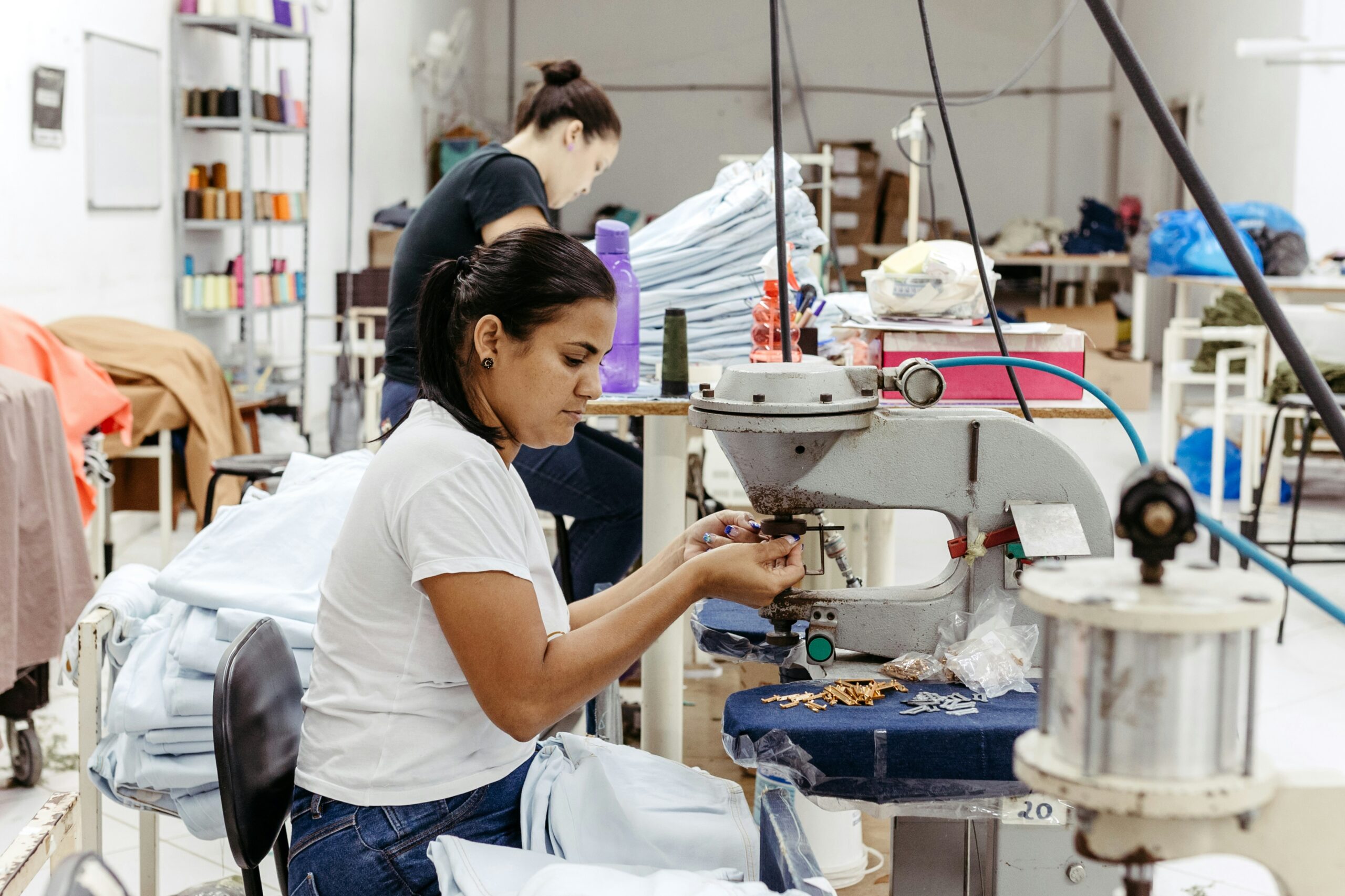
Apparel & Soft Goods
This is Vietnam’s strongest lane.
- Cut-and-sew apparel
- Activewear
- Uniforms
- Basic bags and backpacks
Factories here are experienced, efficient, and export-ready—especially for brands that already have locked specs.
Footwear
Vietnam is a global footwear hub for a reason.
- Athletic shoes
- Casual footwear
- Molded + stitched hybrids
Many top-tier global brands manufacture footwear in Vietnam with excellent results.
Furniture & Wood Products
Vietnam excels at:
- Wood furniture
- Upholstered furniture
- Home décor items
Especially strong when designs are repeatable and materials are locally sourced.
Simple Assemblies
Products that involve:
- Limited components
- Straightforward assembly
- Minimal tooling iteration
Vietnam factories handle these well—as long as complexity stays controlled.
Poor-Fit Categories (Where Brands Struggle)
Where Vietnam manufacturing starts to break down is complexity + change.
High-Precision Manufacturing
Vietnam is not ideal for:
- Tight tolerance components
- Advanced CNC machining
- Precision metal parts
The supplier depth simply isn’t there yet at scale.
Rapid Iteration Products
If your product requires:
- Frequent design tweaks
- Fast tooling revisions
- Ongoing engineering refinement
Vietnam’s slower tooling feedback loops can become a bottleneck.
Highly Vertical Products
Vietnam lacks the dense supplier ecosystems found in China.
That means:
- More imported components
- Longer sub-supplier lead times
- Less flexibility when something goes wrong
New or Unproven Designs
Vietnam works best when specs are finalized.
Early-stage experimentation is harder to support.
MOQ + Speed Tradeoffs Founders Miss
Vietnam is often marketed as “flexible.”
The reality is more nuanced.
MOQs
- Many Vietnam factories require higher MOQs than expected, especially for export-focused operations
- Small brands can be deprioritized during busy seasons
- MOQ flexibility often disappears after sampling
Speed
Vietnam can be fast when everything is stable.
But when issues arise:
- Fewer alternative suppliers
- Longer waits for material substitutions
- Slower escalation paths
China absorbs disruption better. Vietnam requires better planning upfront.
Why Many Brands Leave Vietnam After 12–18 Months
This pattern is surprisingly consistent.
Brands enter Vietnam for cost or tariff reasons.
They leave when operational friction compounds.
Here’s what usually happens:
- Year 1:Initial samples look good. Costs feel attractive. The first production run ships.
- Months 6–12:Small quality issues emerge. Lead times slip. Communication slows as factories prioritize larger clients.
- Months 12–18:Design changes become painful. Backup suppliers are limited. Margins erode through rework, air freight, or delays.
At that point, brands either:
- Move back to China
- Add a second geography
- Or rebuild their supplier base from scratch
The issue isn’t Vietnam itself—it’s misaligned expectations.
The Right Way to Use Vietnam Factories
Vietnam manufacturing works best when it’s intentional, not reactive.
Vietnam is a strong choice if:
- Your product category matches local strengths
- Your design is stable
- You value cost predictability over iteration speed
- You’ve vetted factories beyond surface-level capabilities
Vietnam is a risky choice if:
- You expect frequent changes
- You need deep supplier redundancy
- You’re scaling a complex or engineered product
- You’re hoping proximity alone will solve communication issues
Final Takeaway: Vietnam Is a Specialist, Not a Generalist
Vietnam factories are excellent at what they do best—and frustrating when pushed outside that lane.
The brands that succeed in Vietnam don’t ask:
“Is Vietnam cheaper than China?”
They ask:
“Is this product meant for Vietnam?”
That distinction determines whether Vietnam becomes a long-term advantage—or a short-lived experiment.
How Sourcify Helps
At Sourcify, we help brands evaluate Vietnam manufacturing with realism—not hype.
We:
- Match product categories to the right Vietnam factories
- Flag early warning signs before you commit
- Build backup options across regions
- Help founders avoid the 12–18 month churn cycle
If you’re exploring Vietnam factories or trying to decide whether manufacturing in Vietnam actually fits your product, we’ll help you pressure-test the decision—before it becomes expensive.
Sourcing works best when the strategy matches the reality.