Built for color consistency, surface finish, and scalable production.
Resin and acrylic accessories rely on controlled molding, curing, and finishing processes. Color accuracy, polish quality, and material stability are what separate premium accessories from inconsistent, low-grade output, especially as volumes increase.
This category covers molded accessories where visual consistency matters as much as durability.
What Falls Under Resin, Acrylic & Acetate Manufacturing
This category includes molded and fabricated accessories made from synthetic materials.
Common product types include:

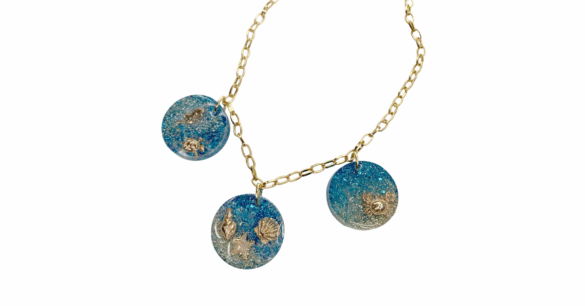
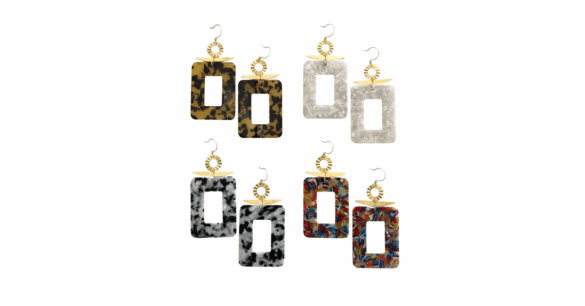
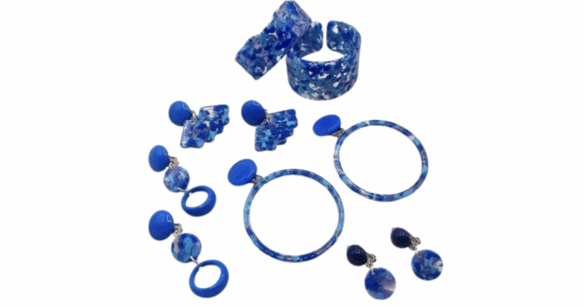
These products often require tight control over pigments, molds, and finishing steps to maintain consistency across batches.
How Resin, Acrylic & Acetate Accessories Are Manufactured
Production typically follows a mold-driven process with multiple finishing stages:
Mold Design & Tooling
Molds are developed to control shape, thickness, and surface texture.
Material Mixing & Coloring
Pigments are blended to achieve target color and pattern consistency.
Molding or Casting
Resin or acetate is injected or poured into molds and cured.
Demolding & Trimming
Excess material is removed and parts are shaped to final dimensions.
Polishing & Surface Finishing
Mechanical or hand polishing achieves clarity and smooth edges.
Inspection & Batch Consistency Checks
Finished parts are reviewed for color, clarity, and structural integrity.
Each step affects appearance and repeatability — not just unit cost.
Key Manufacturing Decisions Founders Need to Make
Resin and acrylic products require clarity early to avoid rework.
Why it matters:
Each material behaves differently in molding, finishing, and long-term wear.
What to consider:
- Resin: versatile shapes, wide color options, variable durability
- Acrylic: clearer finishes, lighter weight, more brittle
- Acetate: richer patterns, higher cost, more material waste
Common pitfalls:
Choosing material based on appearance alone without testing durability and production yield.
Why it matters:
Swirls, marbling, and translucency are inherently variable — boundaries must be defined.
What to consider:
- Master color or pattern references
- Acceptable range of variation
- Visual approval process per batch
Common pitfalls:
Expecting identical pattern replication across molded parts.
Why it matters:
Mold condition directly affects surface quality, dimensional accuracy, and scrap rates.
What to consider:
- Mold material (steel vs aluminum)
- Expected shots per mold
- Maintenance and replacement plans
Common pitfalls:
Overusing molds beyond their lifecycle, causing flash, distortion, or uneven finishes.
Why it matters:
Finishing quality impacts both aesthetics and perceived product value.
What to consider:
- High-gloss vs matte vs textured finishes
- Polishing methods and labor requirements
- Scratch and wear resistance
Common pitfalls:
Approving early samples without validating repeatable finishing quality at scale.
Why it matters:
Small changes in thickness affect weight, comfort, and structural integrity.
What to consider:
- Target thickness ranges by component
- Acceptable weight variance per unit
- Balance between durability and comfort
Common pitfalls:
Ignoring tolerances until pieces feel inconsistent or fragile in-hand.
Why it matters:
Resin production naturally varies — alignment upfront prevents disputes later.
What to consider:
- Color shift allowances
- Dimensional variance ranges
- Visual grading standards
Common pitfalls:
Failing to define batch standards before full production begins.
Clear standards upfront reduce waste and color mismatch issues later.
Common Challenges in Resin & Acrylic Production
Visual categories are especially sensitive to manufacturing shortcuts.
Common risks include:
- Color drift between production runs
- Bubbles or inclusions in molded parts
- Uneven polish or rough edges
- Warping due to improper curing
- Inconsistent thickness or weight
- Suppliers rushing finishing to hit timelines
Most quality issues appear only after scaling, not during early samples.
How Sourcify Supports Resin & Acrylic Manufacturing
Sourcify helps brands scale visual accessories without sacrificing consistency.
We support this category by:
- Vetting factories for molding and finishing capability
- Reviewing mold quality and material sourcing
- Managing color matching and sample approvals
- Establishing finish and polish standards
- Monitoring batch-to-batch consistency
- Planning backup suppliers and molds
Our focus is repeatability — not just getting a good first sample.
Who This Is Best For
Resin, acrylic, and acetate manufacturing through Sourcify is a strong fit for:
- Brands producing fashion-driven accessories
- Teams expanding colorways or SKUs
- Founders moving from small-batch to volume
- Brands experiencing inconsistency at scale
- Collections where finish quality defines perceived value
Ready to Get Started?
If you’re sourcing resin, acrylic, or acetate accessories and want consistency you can rely on, we can help.