Most founders assume quality control happens at the end of production.
That’s final inspection.
But by the time a product reaches final inspection, most of the risk is already locked in.
In apparel manufacturing, quality isn’t something you “check.”
It’s something you manage throughout production.
That’s where inline QC comes in.
Understanding the difference between inline QC and final inspection — and how they work together — is critical if you want consistent product quality at scale.
What Is Inline QC?
Inline QC (in-line quality control) happens during production.
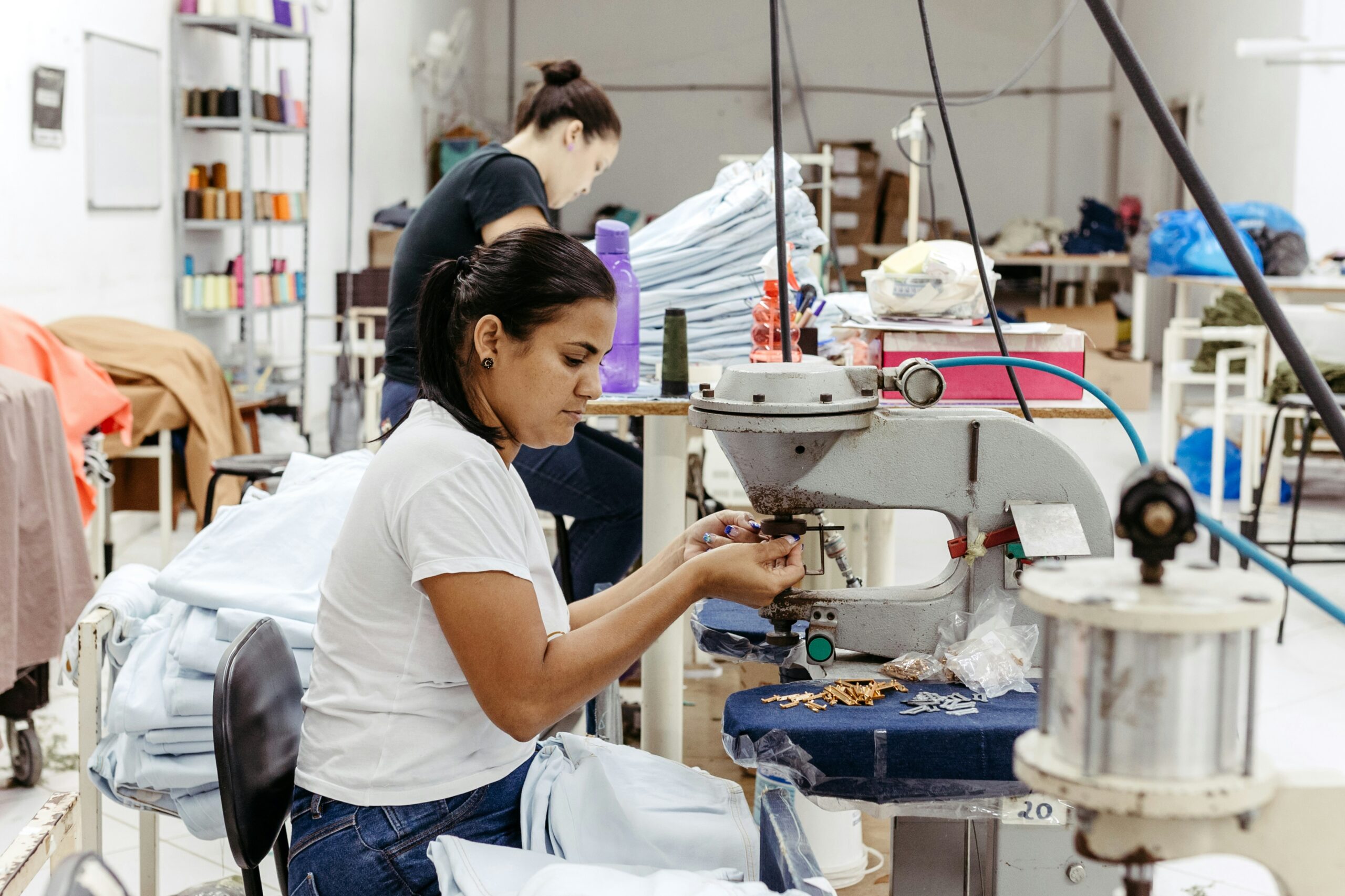
Inspectors check garments while they are being sewn — not after they’re finished.
What gets checked:
- Stitch quality
- Seam construction
- Measurements
- Fabric defects
- Assembly accuracy
Why it matters:
Issues are caught early, before they scale across the entire order.
What Is Final Inspection?
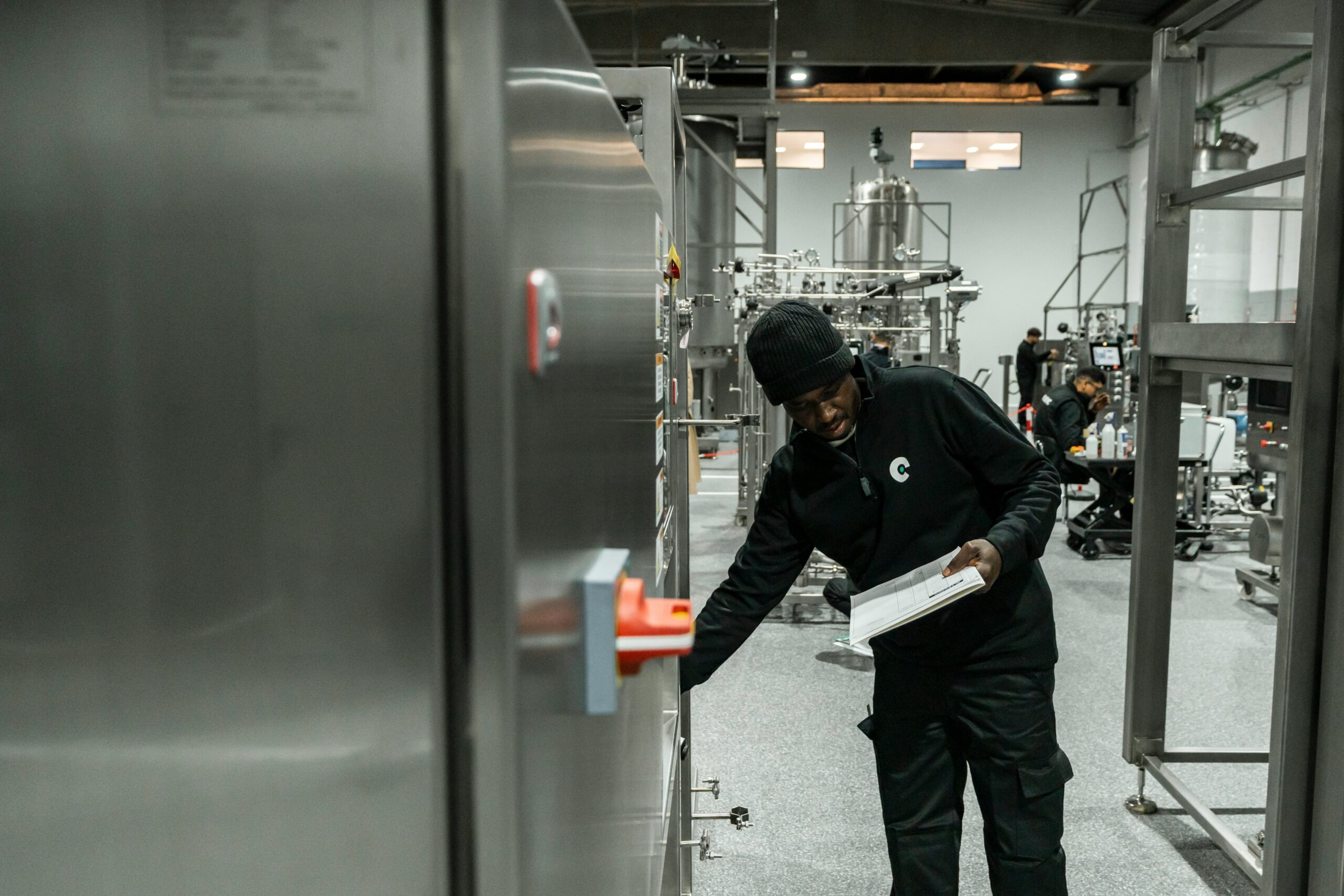
Final inspection happens after production is complete.
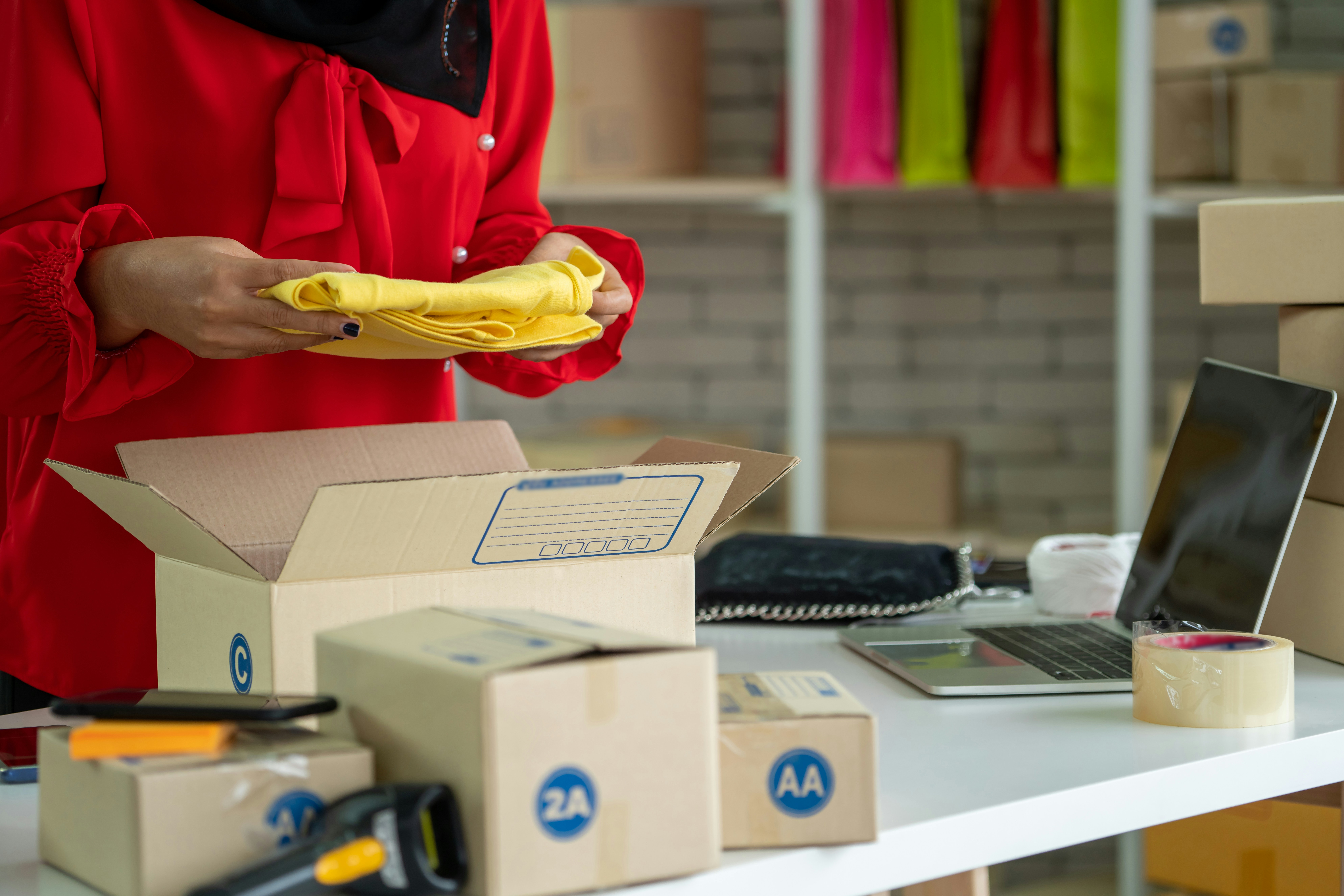
Garments are checked before shipment.
What gets checked:
- Overall appearance
- Measurements (sampling-based)
- Packaging
- Labeling
- Defect rates
Most final inspections follow AQL (Acceptable Quality Limit) standards.
The Core Difference
Inline QC = PreventionFinal Inspection = Detection
Inline QC reduces the number of defects being created.
Final inspection measures how many defects already exist.
If you rely only on final inspection, you’re reacting — not controlling.
Why Inline QC Is Critical
1. Problems Compound Quickly
In a sewing line, hundreds or thousands of units are produced daily.
If an issue starts early:
- It repeats across the entire batch
- It may not be noticed until it’s widespread
Inline QC stops this early.
2. Fixes Are Easier Mid-Production
When issues are caught during production:
- Operators can adjust immediately
- Machines can be recalibrated
- Processes can be corrected
After production is complete, fixes are limited.
3. It Protects Consistency
Inline QC ensures:
- Stitching remains consistent
- Measurements stay within tolerance
- Construction matches approved samples
Without it, variation increases across the order.
Why Final Inspection Still Matters
Inline QC doesn’t replace final inspection.
It complements it.
Final inspection is used to:
- Validate overall quality before shipment
- Ensure packaging and labeling accuracy
- Confirm order meets agreed standards
It’s the last checkpoint — not the only one.
What Happens When You Rely Only on Final Inspection
This is one of the most common mistakes founders make.
Scenario:
Production runs without inline QC.
At final inspection:
- Defects are found
- Defect rate exceeds acceptable limits
Now your options are limited:
- Rework (time-consuming and costly)
- Discounted inventory
- Rejecting the shipment (delays)
At this point, the damage is already done.
What Inline QC Typically Looks Like in Practice
Well-run factories implement inline QC through:
- Dedicated inspectors on the sewing line
- Random sampling during production
- Continuous monitoring of critical operations
Key focus areas:
- Early-stage operations (where issues start)
- High-risk construction steps
- Measurement consistency
AQL and Final Inspection (What Founders Should Know)
Final inspections often use AQL standards.
This means:
- Only a sample of the order is inspected
- A certain number of defects is considered acceptable
Important implication:
AQL does not guarantee zero defects.
It defines what level of defects is acceptable for shipment.
When Inline QC Becomes Even More Important
Inline QC is critical for:
Activewear
- Compression and seam integrity must be consistent
Swimwear
- Stretch, recovery, and construction are sensitive
Complex garments
- More operations = more potential failure points
The more technical the product, the more you need process control — not just final checks.
Red Flags in a Factory’s QC Approach
Watch for:
- No mention of inline QC
- Reliance solely on final inspection
- Lack of defined tolerances
- Inconsistent communication about defects
These are signs of reactive — not controlled — production.
How to Structure a Strong QC System
1. Define Quality Standards Upfront
Specify:
- Measurements and tolerances
- Construction requirements
- Acceptable defect levels
2. Require Inline QC During Production
Ensure:
- Issues are caught early
- Adjustments happen in real time
3. Conduct Final Inspection Before Shipment
Use final inspection to:
- Validate overall quality
- Confirm readiness to ship
4. Align on Accountability
Clarify:
- Who is responsible for QC
- What happens if defects exceed limits
Inline QC vs Final Inspection — Summary
| Function | Inline QC | Final Inspection |
| Timing | During production | After production |
| Purpose | Prevent defects | Detect defects |
| Impact | Reduces risk early | Validates finished goods |
| Flexibility | High (issues can be fixed) | Low (issues already exist) |
Both are necessary — but they serve different roles.
Final Thought
Quality isn’t something you check at the end.
By then, it’s already decided.
The brands that scale successfully don’t rely on final inspection alone.
They build systems — with inline QC — that protect quality throughout production.
Need Help Structuring Quality Control for Your Apparel Production?
We help brands implement QC systems, vet factory processes, and ensure consistency from first unit to final shipment.