Ariana Grande’s fragrance business has generated over $1 billion in retail sales.
But behind that success is a highly structured manufacturing and supply chain system.
This isn’t a typical DTC brand.
It’s a coordinated global operation.
The Fragrance Supply Chain
Unlike most consumer products, fragrance production is fragmented across multiple specialized players.
1. Fragrance Development
The scent itself is created by major fragrance houses like:
- Givaudan
- Firmenich
- IFF
These companies employ professional perfumers to design formulas.
2. Ingredient Production
Fragrance oils are typically produced in:
- France (Grasse)
- Switzerland
- Germany
These are then shipped to manufacturing facilities.
3. Packaging Manufacturing
Packaging is a major cost driver:
- Glass bottles
- Caps and pumps
- Decorative elements
These are often produced in Asia or Europe.
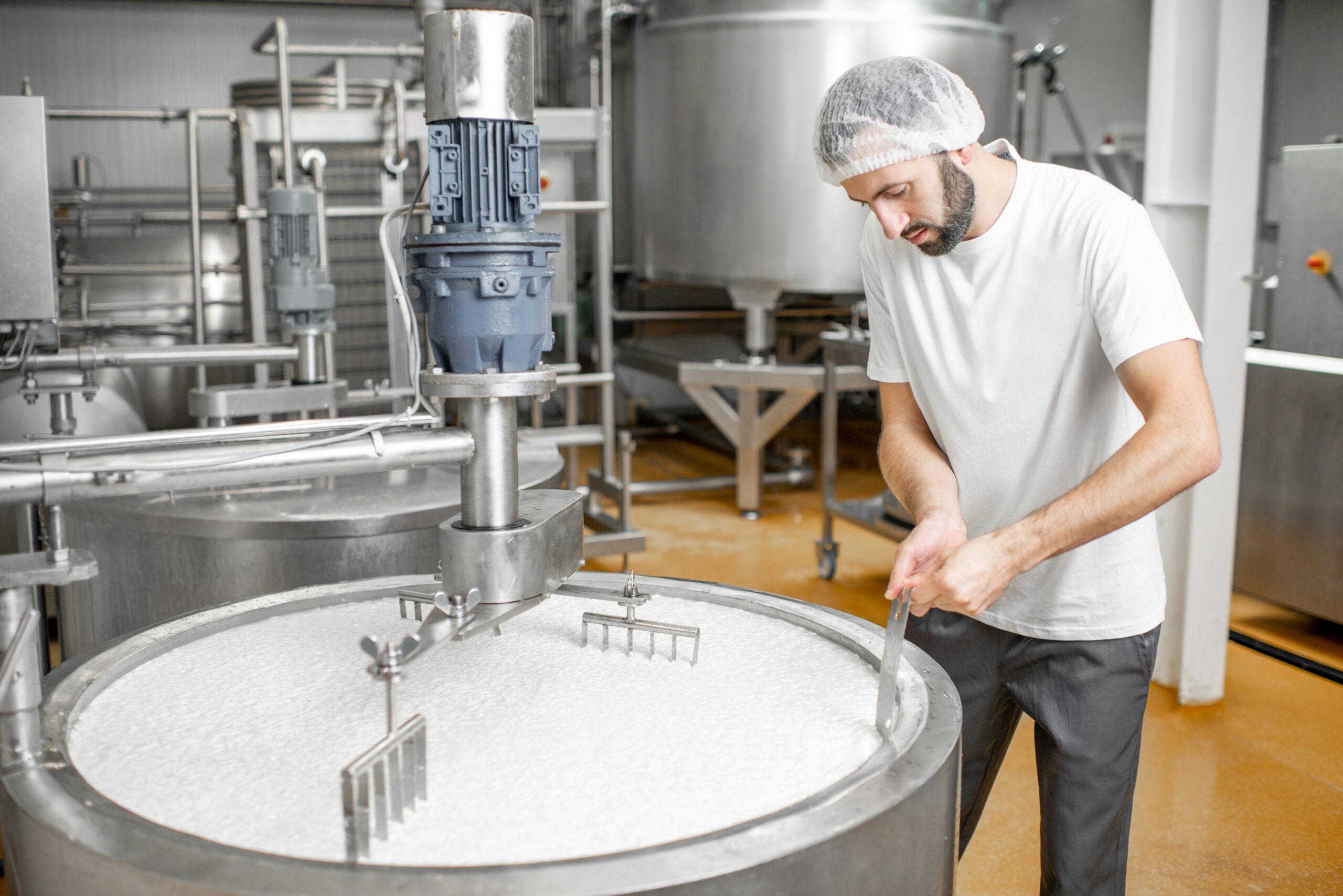
4. Contract Manufacturing
Final assembly includes:
- Filling
- Labeling
- Boxing
This is handled by contract manufacturers.
5. Retail Distribution
Products are shipped to:
- Sephora
- Ulta
- Department stores
Retailers often purchase inventory upfront, enabling rapid scale.
Why This Model Works
This system allows brands to:
- Launch quickly (9–18 months)
- Scale globally
- Maintain consistent quality
It also reduces operational complexity for the brand itself.
The Real Insight
Ariana Grande didn’t build a supply chain.
She plugged into one.
And that’s what enabled $1B in sales.
👉 Want more breakdowns like this? Listen to Ecommerce on Tap.