Built for reliable assembly, material coordination, and scalable production.
Fashion accessories and small goods often combine multiple materials, suppliers, and production steps. Quality depends less on any single component and more on how well those parts are coordinated, assembled, and finished — especially as order volumes increase.
This category covers mixed-material accessories where operational execution matters as much as design.
What Falls Under Fashion Accessories & Small Goods Manufacturing
This category includes finished accessories made from multiple materials and components.
Common product types include:
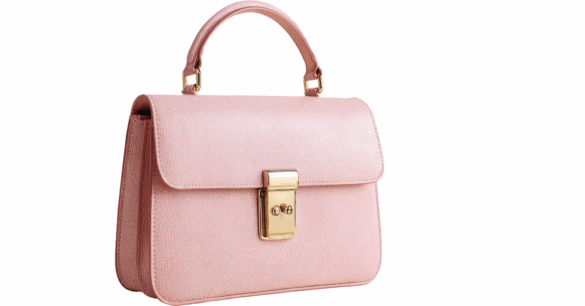
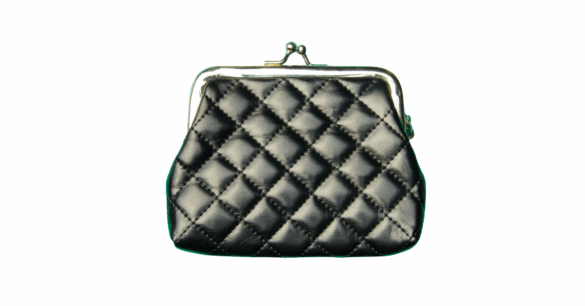
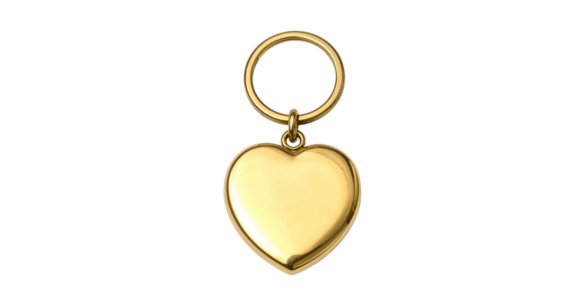
These products typically require coordinated sourcing across fabrics, leather, hardware, and trims.
How Fashion Accessories & Small Goods Are Manufactured
Production involves multiple suppliers and tightly sequenced assembly steps:
Material & Component Sourcing
Fabrics, leathers, hardware, linings, and trims are sourced and approved.
Pattern Development & Cutting
Patterns are developed and materials are cut to precise dimensions.
Component Preparation
Hardware, straps, panels, and sub-assemblies are prepared separately.
Assembly & Stitching
Products are assembled using industrial stitching and fastening processes.
Finishing & Quality Inspection
Finished goods are inspected for construction quality, alignment, and durability.
Because multiple processes are involved, coordination failures can quickly derail timelines.
Key Manufacturing Decisions Founders Need to Make
Small goods manufacturing involves operational tradeoffs across materials and assembly.
Why it matters:
Accessories frequently combine leather, metal, resin, fabric, or plastics, each with different suppliers and constraints.
What to consider:
- Number of materials per SKU
- Domestic vs international sourcing
- Lead times and minimums by material
Common pitfalls:
Underestimating complexity when multiple vendors are required for a single product.
Why it matters:
More assembly steps mean higher labor cost and more quality checkpoints.
What to consider:
- Manual vs semi-automated assembly
- Skill level required per step
- Assembly time per unit
Common pitfalls:
Designing products that look simple but require labor-intensive assembly.
Why it matters:
Hardware failures often come from poor tolerances or weak attachment methods.
What to consider:
- Rivet, screw, snap, or sewn attachment
- Pull and stress testing requirements
- Finish compatibility across materials
Common pitfalls:
Using hardware designed for one material across multiple substrates without testing.
Why it matters:
Stress areas need reinforcement to prevent early failure.
What to consider:
- Stitch density standards (SPI)
- Bar tacks or double stitching at load points
- Thread material and thickness
Common pitfalls:
Uniform stitching where variable reinforcement is required.
Why it matters:
Each component may carry its own MOQ, misalignment drives excess inventory.
What to consider:
- Highest MOQ component dictating production size
- Overstock risk on secondary materials
- Phased ordering strategies
Common pitfalls:
Approving a design without checking MOQ alignment across all parts.
Why it matters:
Final presentation affects both perceived value and damage rates in transit.
What to consider:
- Protective packaging for mixed materials
- Finishing steps like trimming, polishing, or cleaning
- Labeling and branding placement
Common pitfalls:
Treating packaging as an afterthought rather than part of production planning.
Clear decisions upfront prevent delays and cost overruns later.
Common Challenges in Small Goods Production
This category often fails at the coordination level.
Common risks include:
- Misaligned materials arriving at different times
- Hardware or trims not matching final specs
- Assembly bottlenecks slowing production
- Inconsistent stitching or finishing quality
- Factories outsourcing sub-steps without visibility
- Cost overruns due to poor planning
These challenges increase with product complexity and scale.
How Sourcify Supports Fashion Accessories & Small Goods Manufacturing
Sourcify helps brands manage complexity across materials and suppliers.
We support this category by:
- Matching brands with assembly-capable factories
- Coordinating multi-material sourcing and timelines
- Managing sampling and pre-production approvals
- Aligning MOQs across components
- Establishing QC standards for construction and finish
- Creating backup plans for critical suppliers
Our role is to bring structure to products that otherwise become operationally chaotic.
Who This Is Best For
Fashion accessories and small goods manufacturing through Sourcify is a strong fit for:
- Brands producing handbags or multi-material accessories
- Founders launching complex accessory lines
- Teams scaling beyond small batch production
- Brands facing supplier coordination challenges
- Collections where execution defines perceived quality
Ready to Get Started?
If you’re sourcing fashion accessories or small goods and want experienced operational support, we can help.