What Curology, Topicals, and Rhode Actually Teach About Scaling a Skincare Brand
Modern beauty growth looks glamorous.
Retail launches.
Waitlists.
Billion-dollar exits.
But when you strip away the headlines, three brands — Curology, Topicals, and Rhode — reveal something far more important:
They built infrastructure before they needed it.
This is the operator’s playbook behind their growth.
The Three Beauty Growth Archetypes
1️⃣ Curology: The Regulated Systems Builder
Model: Telehealth → Subscription → Retail expansion
Peak revenue: $200M+
Unlock: Compliance + personalization at scale
Curology didn’t start as a skincare brand. It started as a regulatory navigation company disguised as one.
What they built early:
- Multi-state medical licensing
- HIPAA-compliant tech stack
- Custom compounding operations
- In-house provider network
- Fulfillment systems for recurring prescriptions
That infrastructure allowed them to:
- Scale during COVID
- Pivot into OTC retail (Target, Amazon, Walmart, CVS)
- Maintain trust while expanding channels
When telehealth growth plateaued, they already had systems to support reinvention.
Operator lesson: If you’re building in a regulated category, compliance is your moat — not your burden.
2️⃣ Topicals: The Culture-Led Demand Engine
Model: Culture-first DTC → Rapid retail velocity
Milestone: Fastest-growing skincare brand in Sephora
Unlock: Solving overlooked skin conditions with community
Topicals didn’t chase “aspirational” beauty.
They:
- Focused on hyperpigmentation and eczema
- Built clinical formulas for melanin-rich skin
- Tested and reformulated quickly (e.g., scent iteration)
- Built a 13,000+ person waitlist pre-launch
They launched with proof:
- Sold out in 48 hours
- Viral momentum
- Community storytelling
- Press coverage
Sephora didn’t take a bet. They bought velocity.
But behind the scenes:
- CDMO upgrades supported scale
- Packaging capacity expanded quickly
- Inventory planning matched retail demand
- Series A funded ops, not vanity marketing
Operator lesson: Community creates demand. Operations protect it.
3️⃣ Rhode: The Focused Exit Machine
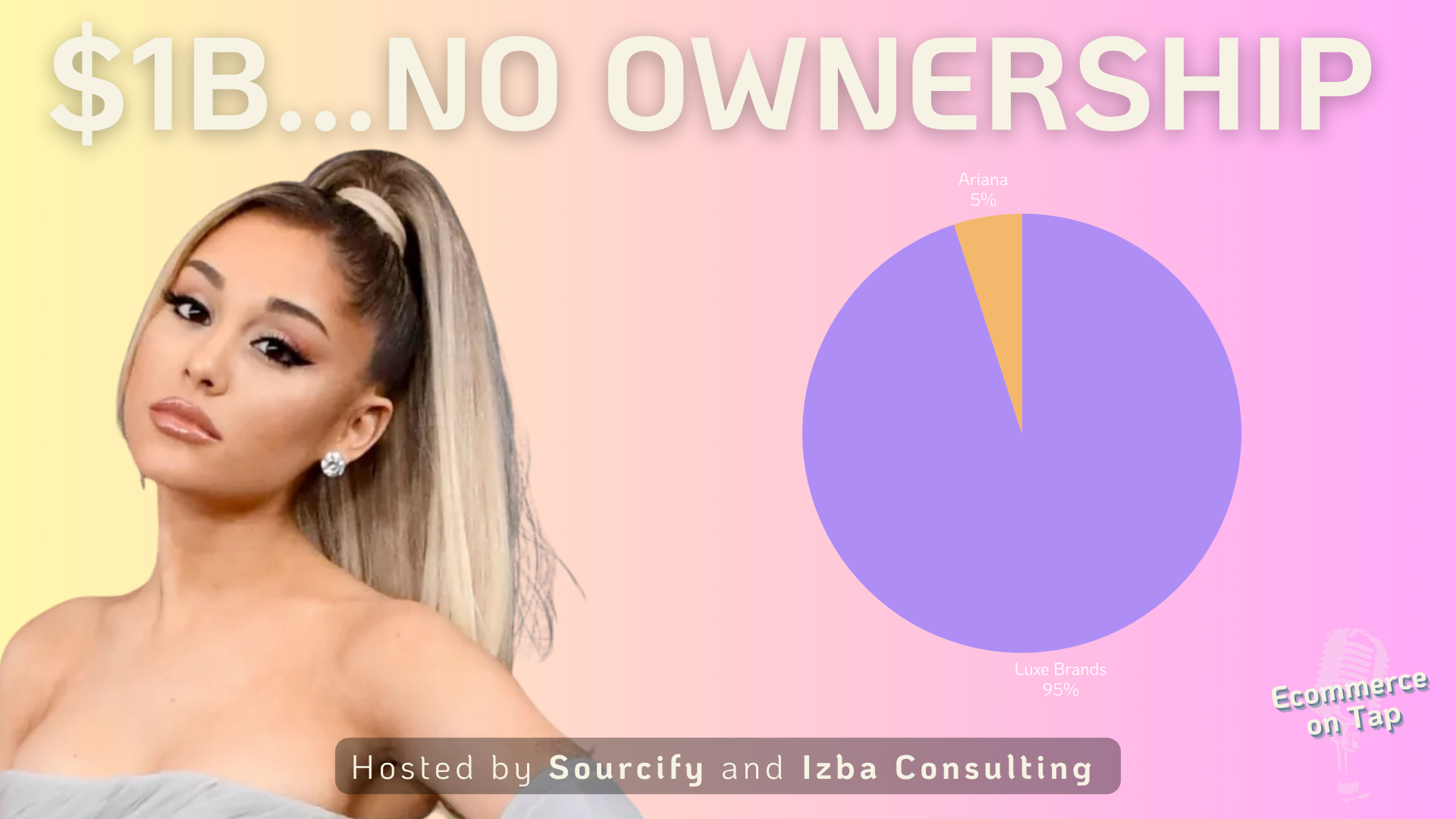
Model: Focused DTC → Scarcity → Strategic retail → $1B acquisition
Timeline: 3 years
Unlock: SKU discipline + operational credibility
Rhode launched with restraint:
- 3 initial products
- Two years of incubation
- No white-label shortcuts
- Chemist collaboration
- Experienced CPG operators onboarded early
They:
- Hit $200M+ in revenue with <10 SKUs
- Built 100K+ waitlist before retail
- Delayed Sephora until DTC was proven
- Maintained lean inventory control
When ELF acquired them for $1B, they weren’t buying hype.
They were buying:
- Clean books
- Tight SKU mix
- Repeat purchase behavior
- Operational maturity
- Leadership bench strength
Operator lesson: Acquirers buy systems. Not celebrity.
The Beauty Brand Growth Framework
Now let’s extract what repeats across all three.
1️⃣ Solve a Real, Specific Problem
- Curology: Access to dermatology
- Topicals: Clinical care for overlooked skin types
- Rhode: Barrier-first minimalist skincare
All three founders solved something personal.
They didn’t start with:
“What’s trending?”
They started with:
“What’s broken?”
2️⃣ Build Infrastructure Before It’s Comfortable
Here’s what most founders miss.
You don’t build ops after growth.
You build ops before growth hurts.
Curology:
- Compliance stack before scale
Topicals:
- Lab iteration and CDMO upgrades early
Rhode:
- Two-year incubation before first sale
They invested in:
- Lab relationships
- Forecasting discipline
- Packaging supply planning
- Inventory modeling
- Leadership hires
Infrastructure feels expensive early.
It feels essential later.
3️⃣ Channel Strategy Is a Phase, Not a Personality
Each brand sequenced growth differently:
| Brand | Phase 1 | Phase 2 | Phase 3 |
|---|---|---|---|
| Curology | DTC RX | COVID surge | Retail OTC |
| Topicals | DTC hype | Sephora velocity | HoldCo expansion |
| Rhode | DTC scarcity | Retail entry | Strategic exit |
None of them rushed retail.
Retail came after:
- Proven demand
- Forecast reliability
- Margin control
- Operational stability
Retail is gasoline.
Not a matchstick.
4️⃣ SKU Discipline Is a Hidden Superpower
Rhode hit $200M+ with under 10 SKUs.
Topicals launched with 2.
Curology retail launched curated, not bloated.
SKU restraint:
- Simplifies forecasting
- Improves MOQ negotiation
- Reduces cash tied in inventory
- Protects gross margin
- Simplifies marketing
SKU sprawl feels innovative.
It’s usually expensive chaos.
5️⃣ Build Like You’ll Be Acquired (Even If You Won’t)
What made these brands attractive:
- Clean compliance
- Strong supplier relationships
- Margin visibility
- Operational leadership
- Forecast predictability
Acquirers don’t want:
- Chaotic sourcing
- Supplier dependency risk
- Margin mystery
- Compliance exposure
They want reliability.
The Operator’s Checklist
If you’re building a beauty brand, pressure-test yourself:
Strategy
- What’s your real problem?
- Is it defensible?
- Is it personal?
Operations
- Do you know your landed COGS?
- Are your MOQs aligned with cashflow?
- Do you have secondary suppliers?
- Is your packaging lead time modeled?
Channel
- Is retail a strategy or an ego milestone?
- Can you support 2x demand without breaking QC?
SKU Discipline
- Are you expanding because it’s strategic?
- Or because you’re bored?
The Real Pattern
Curology built regulatory systems.
Topicals built community systems.
Rhode built operational systems.
Different fronts.
Same backbone.
They didn’t scale chaos.
They scaled structure.
Where Founders Break
They copy:
- Packaging
- Influencer strategy
- Website aesthetic
- Launch theatrics
They ignore:
- Supplier leverage
- MOQ traps
- Compliance layers
- Freight volatility
- Backup planning
- Cashflow timing
The headlines are sexy.
The spreadsheets are what built the headlines.
The Sourcify Angle
At some point, every beauty founder hits one of these moments:
- A lab can’t scale.
- A batch fails QC.
- Retail demands 3x inventory.
- Tariffs hit.
- Margin collapses.
- A buyer asks operational questions you can’t answer.
This is where brands stall.
Or mature.
We operate as the sourcing and manufacturing layer behind brands that want to grow without breaking:
- Factory vetting
- CDMO strategy
- MOQ negotiation
- Backup supplier planning
- Freight modeling
- Margin discipline
- Ongoing production oversight
Calm.
Structured.
Relationship-driven.
Because scaling beauty isn’t about hype.
It’s about building the machine behind the glow.
If you’re building the next Curology, Topicals, or Rhode….
Make sure your operations are strong enough to survive your success.