The knitting manufacturing process that powers Rothy’s wasn’t invented for shoes. It was invented to solve a waste problem. That distinction is what makes it one of the most instructive manufacturing case studies for any founder building a physical product.
Here’s how it works — and what it tells you about building a manufacturing system before you build a product.
The Problem Rothy’s Was Actually Solving
Footwear is one of the most waste-intensive consumer product categories in existence. When you cut pieces from flat material — leather, mesh, synthetic textiles — you’re left with offcuts you can’t reuse. A leather upper might yield 60–70% usable material from the hide. The rest is scrap.
That’s before you account for defects, sample waste, overproduction, wrong-size inventory, and the labor involved in stitching dozens of components together by hand.
Rothy’s co-founders Steven Hawthornthwaite and Roth Martin weren’t footwear insiders. Steven came from investment banking. Roth ran an art gallery. When they looked at the category in 2012, they didn’t see a shoe to improve — they saw a manufacturing system to redesign.
Their core question: what if the waste was designed out before the product was designed in?
What the Rothy’s Knitting Process Actually Does
Traditional shoe construction starts with flat materials cut into patterns, then assembled. Rothy’s inverted this.
Their process uses industrial knitting machines — the same category of equipment used in technical textiles and performance athletic wear — programmed to knit a three-dimensional upper in a single continuous pass. The shape of the shoe is knitted directly. There’s no cutting step. There are no offcuts.
The raw material is yarn spun from recycled PET plastic — specifically post-consumer plastic bottles. One pair of Rothy’s flats uses approximately three to five plastic bottles, depending on the style.
The full process breaks down into a few key steps:
Material conversion. PET plastic bottles are cleaned, shredded into flake, melted, and extruded into fiber. That fiber is twisted into yarn. The quality and consistency of this yarn was one of the primary development challenges — turning a commodity recycling stream into a premium textile took significant material science work.
Programmable knitting. The yarn is fed into CNC knitting machines programmed with the specific geometry of each shoe style and size. The machine knits the upper to its final shape. Because the pattern is programmed rather than cut, changing a size or style is a software adjustment, not a tooling change.
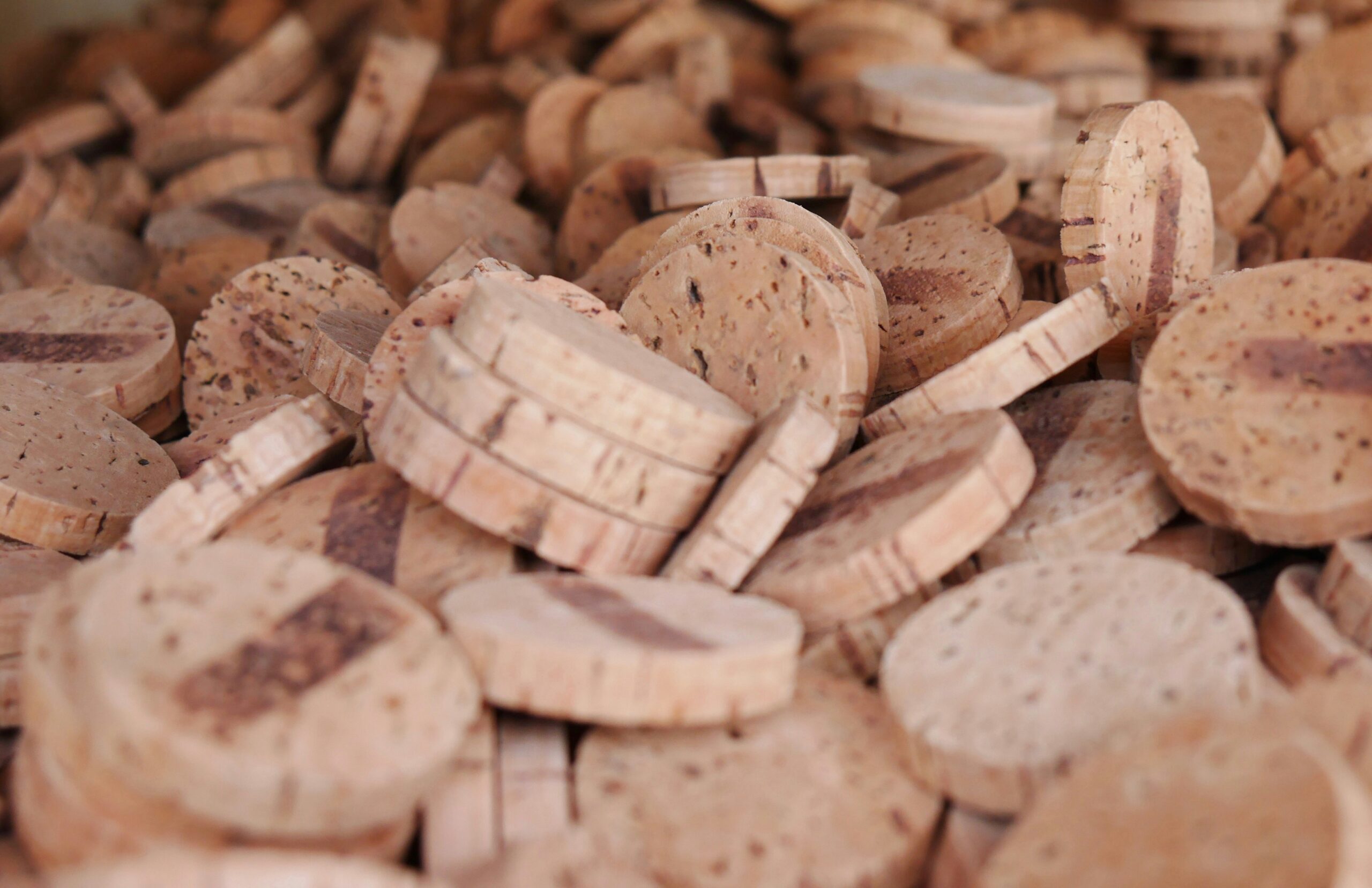
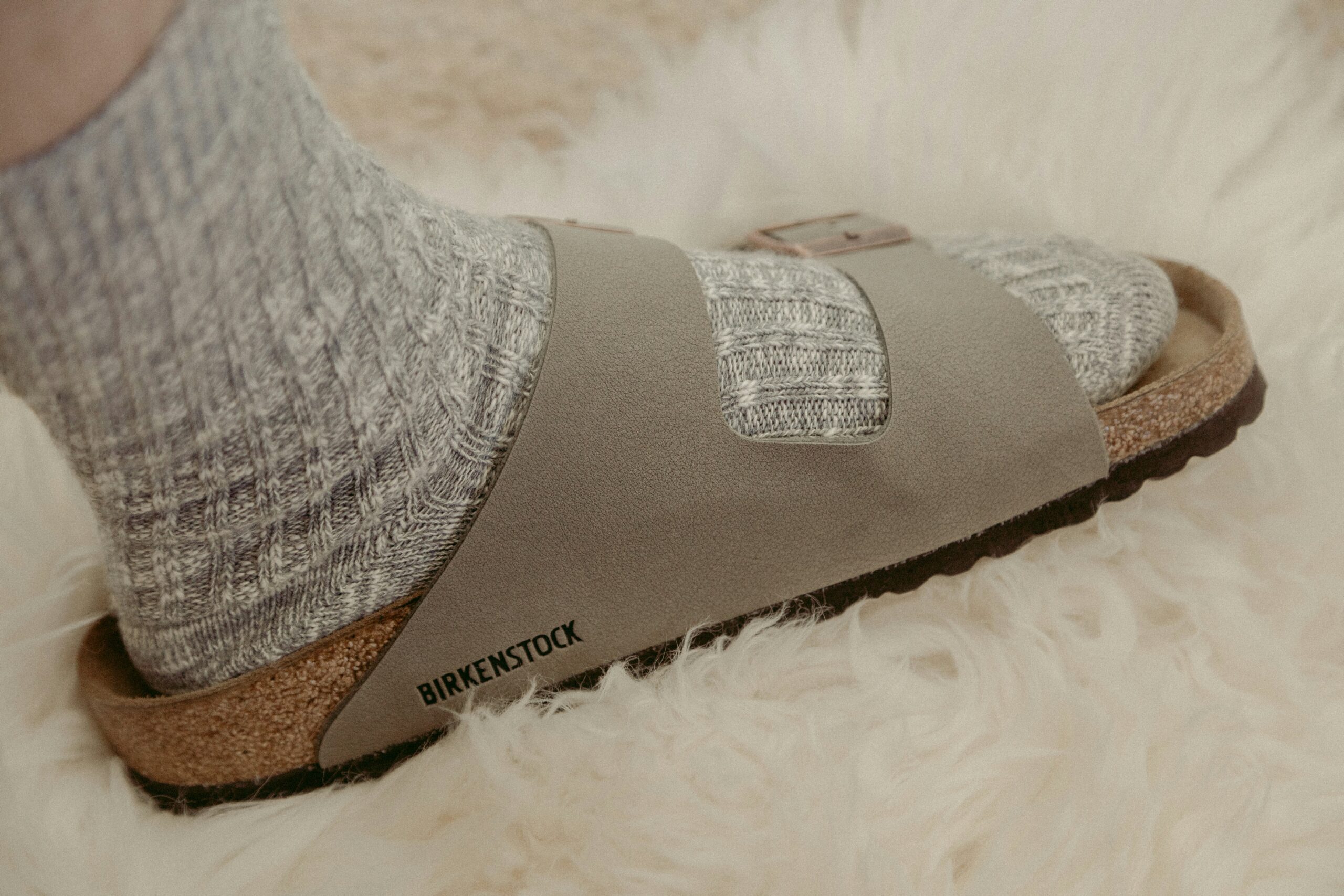
Assembly. The knitted upper is attached to a cork-rubber sole. Because the upper arrives already formed, the assembly step is simpler and more consistent than traditional cut-and-sew construction.
The result: A shoe produced with near-zero upper waste, high consistency across sizes, and a manufacturing footprint that’s easier to control and audit than traditional multi-supplier assembly.
Four Years Before a Single Sale
Rothy’s was founded in 2012 and launched in 2016. That four-year gap wasn’t slow execution — it was deliberate.
Before selling anything, they had to answer five questions simultaneously:
- Could recycled PET become a premium textile? (Material question)
- Would plastic bottle yarn feel comfortable for daily wear? (Comfort question)
- Would it hold up to real consumer usage? (Durability question)
- Could they knit it consistently at scale? (Manufacturing question)
- Would people want to buy it? (Aesthetic question)
Most brands solve one or two of these before launch. Rothy’s resolved all five before they shipped a single pair. That sequence — validate everything before you scale anything — is the opposite of how most 2012-era DTC brands approached product development.
The $2 million they spent in that development period was self-funded. No outside capital until the system was proven.
Why Nike Never Sued Them
Nike launched Flyknit in 2012 — the same year Rothy’s was founded. Flyknit uses programmable knitting technology for athletic shoe uppers. Nike spent nearly a decade and significant R&D investment developing it, and they did sue Adidas over their competing Primeknit technology.
They never went after Rothy’s.
The reason reveals something important about the Rothy’s manufacturing system: the technology is similar, but the objective is completely different.
Nike was using programmable knitting to build a better performance shoe — optimizing for weight, fit, and athletic repeatability.
Rothy’s was using programmable knitting to build a better manufacturing system — optimizing for waste elimination, consistency, and material sustainability.
Same tool. Entirely different design philosophy. The IP they were each protecting wasn’t the knitting machine. It was the system built around it.
What This Means for Founders Building Physical Products
Most founders approach manufacturing reactively. They design a product, then find a factory that can make it, then try to manage the waste and inefficiency that come with whatever process the factory uses.
Rothy’s inverted this entirely — and it’s worth understanding why that inversion created a more defensible business.
Manufacturing architecture as IP. Because Rothy’s designed their own manufacturing process rather than adopting an existing one, the system itself became proprietary. A competitor can source similar yarn and knitting machines. They can’t replicate four years of process optimization without doing that work themselves.
Supplier relationships built around the system. When your manufacturing process is custom, your supplier relationships are too. Rothy’s relationships with knitting machine vendors, PET yarn suppliers, and assembly partners are built around the specific requirements of their system. That’s a different kind of sourcing than commodity procurement.
Consistency as a brand asset. The washability, the fit consistency, the predictable durability — all of these are downstream effects of the manufacturing system. Customers who trust Rothy’s are really trusting the process.
When Goldman Sachs invested and when Alpargatas acquired a 49.9% stake for $475 million in 2021, both talked about the production process — not the sustainability mission, not the community, not the revenue. The manufacturing system was always the asset.
If you’re working through how your manufacturing decisions today will affect the value of your brand tomorrow, Sourcify can help you think through it. We’ve sat on production floors. We know what the system looks like from the inside.