For apparel brands, manufacturing location is no longer just about cost.
It’s about:
- Speed
- Risk
- Supply chain control
- Scalability
That’s why many brands are reevaluating one core question:
Should we manufacture nearshore or overseas?
At a high level:
Nearshore manufacturing prioritizes speed and proximity.
Overseas manufacturing prioritizes scale and cost efficiency.
But the real decision is more nuanced than that.
Each model creates different tradeoffs across:
- Lead times
- Margins
- Product complexity
- Operational flexibility
And the right choice depends on what your business actually needs.
What Nearshore Clothing Manufacturing Means
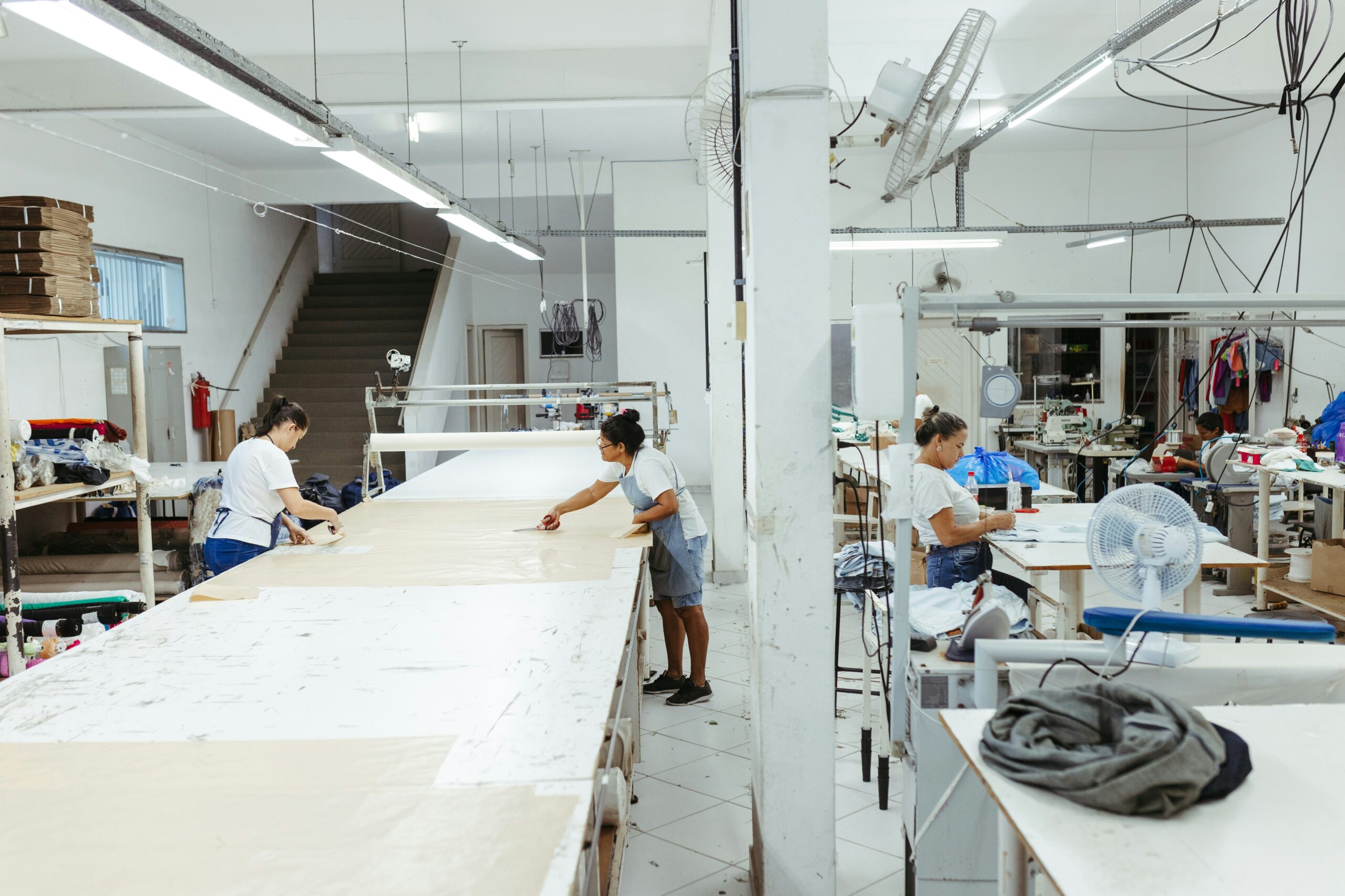
Nearshore manufacturing means producing apparel in countries geographically closer to your primary market.
For U.S. brands, this often includes:
- Mexico
- Central America
- Colombia
Main goal:
Reduce shipping time and increase supply chain responsiveness.
What Overseas Clothing Manufacturing Means
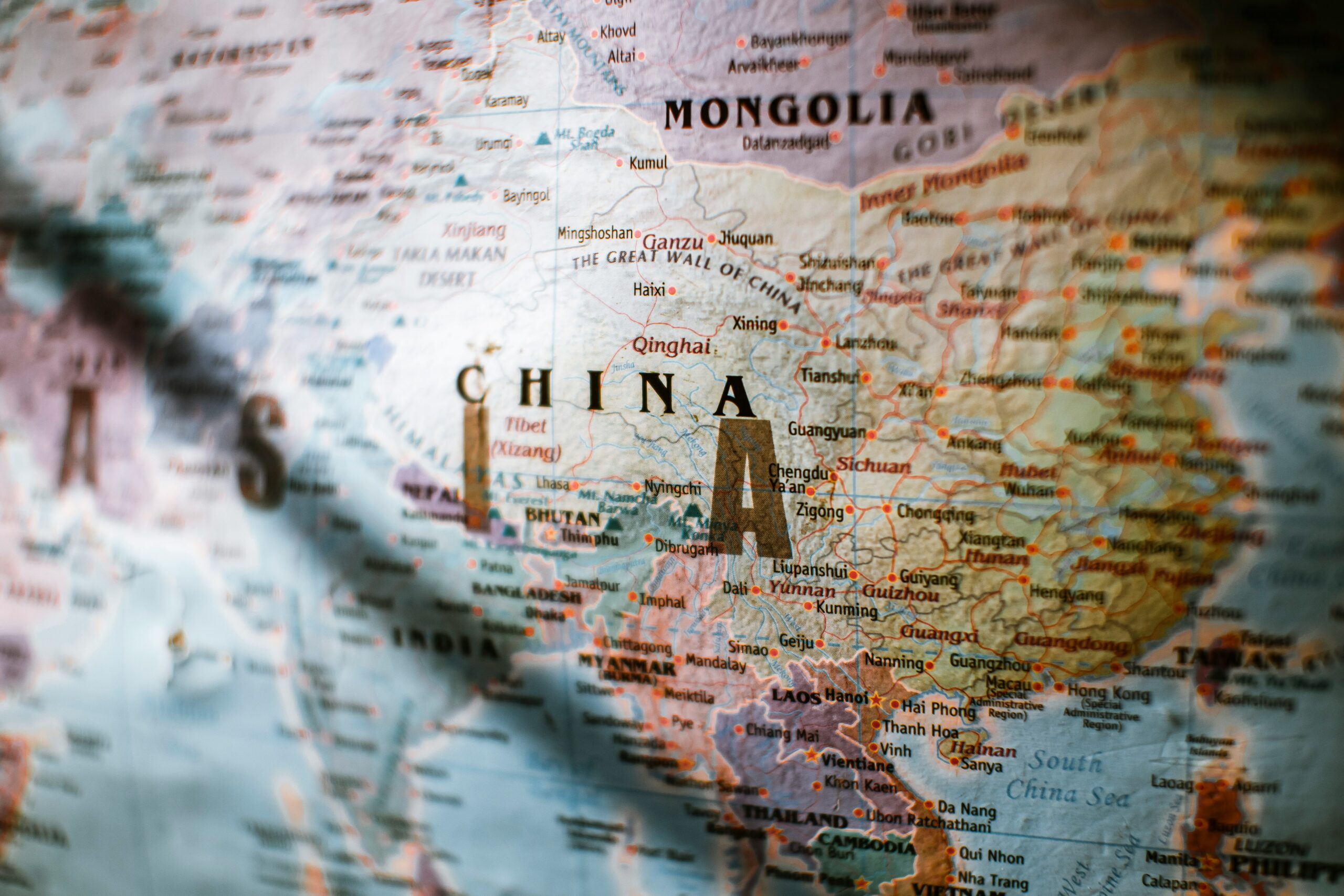
Overseas manufacturing typically refers to production in Asia or other distant regions.
Common apparel hubs include:
- China
- Vietnam
- India
- Bangladesh
- Indonesia
Main goal:
Optimize cost and production scale.
The Biggest Difference: Speed vs Scale
This is the core tradeoff.
Nearshore Manufacturing
Optimized for:
- Faster delivery
- Lower transit risk
- More responsive inventory management
Overseas Manufacturing
Optimized for:
- Lower production cost
- Greater manufacturing depth
- Higher-volume efficiency
Lead Times: Where Nearshoring Wins
This is the clearest advantage of nearshore production.
Nearshore Timelines
Typical:
- Production: 30–60 days
- Transit: 2–10 days
Result:
Shorter overall supply chain cycles.
Overseas Timelines
Typical:
- Production: 30–90 days
- Ocean freight: 20–45+ days
Result:
Longer planning horizons.
Why This Matters
Shorter lead times allow brands to:
- React faster to demand
- Reduce inventory exposure
- Replenish top-selling SKUs more quickly
This is especially valuable for:
- Trend-sensitive brands
- Fast-moving product cycles
Cost Comparison: Where Overseas Still Leads
Overseas manufacturing generally remains lower cost.
Especially in:
- China
- Vietnam
- Bangladesh
Why Overseas Is Cheaper
- Lower labor costs
- Larger factory scale
- More integrated supply chains
Why Nearshore Costs More
Nearshore production often involves:
- Higher labor cost
- Smaller-scale operations
- Less supply chain integration
Result:
Higher unit pricing.
But Total Cost Is More Complicated
Lower unit cost doesn’t always mean lower business cost.
Nearshore production can reduce:
- Freight expense
- Inventory carrying costs
- Markdown risk
- Delays from long shipping cycles
This is where many brands reevaluate sourcing strategy.
Product Complexity: Where Overseas Has the Advantage
Overseas manufacturing — especially China — is generally stronger for:
- Activewear
- Technical apparel
- Complex cut-and-sew products
- Performance garments
Why:
These ecosystems have:
- Advanced fabric sourcing
- Specialized machinery
- Technical construction expertise
Nearshore Production Is Stronger For
- Simpler cut-and-sew apparel
- Basics
- Faster replenishment programs
Some nearshore factories also support:
- Denim
- Knitwear
- Moderate-complexity garments
But technical depth varies significantly.
MOQ Differences
Nearshore Manufacturing
Often more flexible for:
- Smaller production runs
- Reorders
Typical MOQs:
- Lower to mid-range
Overseas Manufacturing
Usually optimized for:
- Larger production volumes
Typical MOQs:
- Mid to high-range
Especially for custom fabrics or trims.
Supply Chain Integration
This is one of the biggest differences operationally.
Overseas Supply Chains
Countries like China have highly integrated ecosystems:
- Fabric mills
- Dye houses
- Trim suppliers
- Packaging vendors
Working closely together.
Nearshore Supply Chains
Nearshore regions often rely on:
- Imported fabrics
- External material sourcing
Impact:
Material availability can affect:
- Lead times
- Product flexibility
Risk Profile Comparison
Nearshore Risks
- Higher production cost
- More limited technical capability
- Smaller factory ecosystems
Overseas Risks
- Longer transit exposure
- Greater shipping disruption risk
- More complex logistics
What Brands Usually Get Wrong
Many brands frame the decision as:
Nearshore OR overseas.
The strongest brands often use both.
How Brands Actually Structure Production
A common model looks like this:
Overseas Manufacturing For:
- Core production
- Technical products
- Large-volume SKUs
Nearshore Manufacturing For:
- Fast replenishment
- Seasonal demand spikes
- Lower-risk inventory management
Example Strategy
Overseas:
Produce the initial large production run.
Nearshore:
Handle:
- Quick reorders
- Best-seller replenishment
- Regional fulfillment speed
This balances:
- Cost
- Speed
- Flexibility
Which Model Is Better for Startups?
It depends on product and business model.
Nearshore May Be Better If:
- Speed matters more than margin
- You need smaller production runs
- You want faster iteration cycles
Overseas May Be Better If:
- Product complexity is high
- Cost structure is critical
- You need stronger development capability
The Biggest Misconception
Nearshore manufacturing is not automatically:
- Better quality
- Lower risk
- Easier to manage
And overseas manufacturing is not automatically:
- Slow
- Inflexible
- Low quality
Execution matters more than geography.
Final Thought
Nearshore vs overseas clothing manufacturing isn’t about choosing the “best” region.
It’s about choosing the right operational model for your brand.
Nearshore offers:
- Speed
- Flexibility
- Faster response cycles
Overseas offers:
- Scale
- Technical capability
- Cost efficiency
The brands that scale successfully don’t rely on one solution.
They build sourcing systems that balance both strategically.
Need Help Building the Right Manufacturing Strategy?
We help apparel brands compare nearshore and overseas production, vet factories, and build sourcing systems designed for long-term growth.