Built for durability, finish consistency, and long-term wear.
Plated jewelry depends on controlled processes, not just aesthetics. Thickness, adhesion, and surface preparation determine how a piece wears over time — and whether customers experience tarnish, fading, or discoloration.
This category covers electroplated and IP-plated jewelry designed to meet appearance and durability expectations at scale.
What Falls Under Plated Jewelry Manufacturing
This category includes metal jewelry finished with decorative and protective plating layers.
Common product types include:
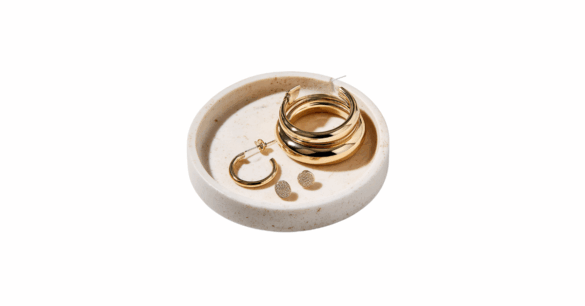
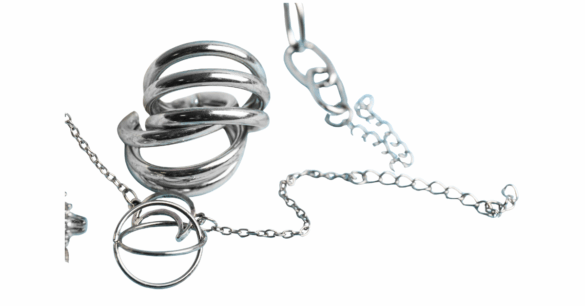
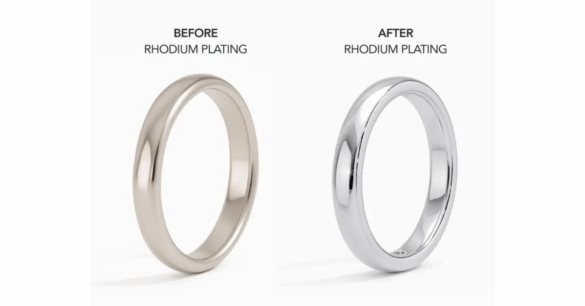
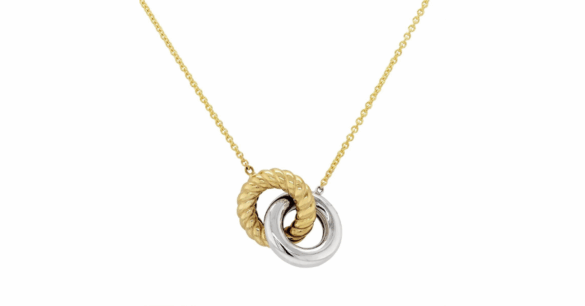
Base materials typically include brass, stainless steel, or zinc alloys, with plating thickness selected based on wear expectations and price point.
How Plated Jewelry Is Manufactured
Plated jewelry requires tight process control before and after metal production:
Base Metal Production
Components are cast or machined to final shape.
Surface Preparation & Cleaning
Oils, residues, and surface defects are removed to ensure plating adhesion.
Electroplating or IP Plating
Controlled plating baths apply gold, silver, rhodium, or decorative finishes at specified micron thicknesses.
Rinsing, Drying & Sealing
Parts are neutralized and sealed with topcoats to improve durability and tarnish resistance.
Final Inspection & Wear Testing
Plated pieces are checked for color consistency, adhesion, and surface defects.
Plating quality is cumulative — small process gaps compound quickly across batches.
Key Manufacturing Decisions Founders Need to Make
Plated jewelry success depends on clarity and alignment early in production.
Why it matters:
Different plating methods deliver very different durability, cost, and finish quality.
What to consider:
- Electroplating: flexible, lower cost, ideal for fashion and mid-tier jewelry
- IP (Ion Plating): harder, more wear-resistant, higher cost and setup
- Base metal compatibility with each process
Common pitfalls:
Expecting IP-level durability from standard electroplating without the added cost.
Why it matters:
Plating thickness is the biggest driver of wear life and perceived quality.
What to consider:
- Target microns by product type (rings vs earrings vs chains)
- Industry minimums vs premium standards
- Cost impact of increased thickness
Common pitfalls:
Under-specifying microns and discovering premature wear after launch.
Why it matters:
Not all jewelry is worn the same way — expectations should match reality.
What to consider:
- Daily wear vs occasional wear pieces
- Contact with skin oils, water, fragrance, and sweat
- Warranty and replacement policies
Common pitfalls:
Designing for occasional wear but marketing as “everyday jewelry.”
Why it matters:
Inconsistent gold tone or finish across SKUs weakens brand trust.
What to consider:
- Pantone or physical master samples
- Visual inspection under consistent lighting
- Acceptable color variance range
Common pitfalls:
Approving a single sample without locking a master reference.
Why it matters:
Topcoats extend plating life and slow oxidation.
What to consider:
- Clear e-coating or nano-coating options
- Skin-sensitivity and allergen considerations
- Impact on shine and texture
Common pitfalls:
Skipping topcoats to save cost, leading to faster returns and complaints.
Why it matters:
Plating is not perfectly repeatable — tolerances must be defined.
What to consider:
- Color shift across production runs
- Thickness variation ranges
- Batch-to-batch consistency thresholds
Common pitfalls:
Failing to define acceptable variation and disputing quality after delivery.
These decisions directly affect cost, durability, and customer satisfaction.
Common Challenges in Plated Jewelry Production
Plating issues are one of the most common causes of returns and brand damage.
Common risks include:
- Plating that wears through too quickly
- Color inconsistency across runs
- Poor adhesion leading to peeling or flaking
- Tarnishing from inadequate sealing
- Over-promised micron thickness
- Factories cutting corners during scale-up
These issues are often invisible at sampling — and only appear after launch.
How Sourcify Supports Plated Jewelry Manufacturing
Sourcify helps brands source plated jewelry that performs in real-world use.
We support this category by:
- Vetting factories for plating process control
- Verifying micron thickness and adhesion standards
- Managing plating samples and color matching
- Aligning finish expectations with price points
- Monitoring consistency across repeat orders
- Establishing fallback suppliers to reduce risk
Our goal is to ensure your jewelry wears the way customers expect — not just how it looks on day one.
Who This Is Best For
Plated jewelry manufacturing through Sourcify is a strong fit for:
- Brands offering gold or silver-plated collections
- Teams experiencing tarnish or wear complaints
- Founders scaling beyond small batch plating
- Brands balancing appearance with margin targets
- Collections where finish consistency drives brand trust
Ready to Get Started?
If you’re sourcing plated jewelry and want confidence in finish and durability, we can help.