Built for consistency, durability, and precise tolerances at scale.
Chains and jewelry components are the backbone of finished pieces. From chain links to clasps and connectors, these parts must meet tight tolerance standards to ensure proper fit, strength, and long-term wear — especially when produced at volume.
What Falls Under Chains, Findings & Components
This category includes metal components designed for assembly into finished jewelry and accessories.
Common product types include:
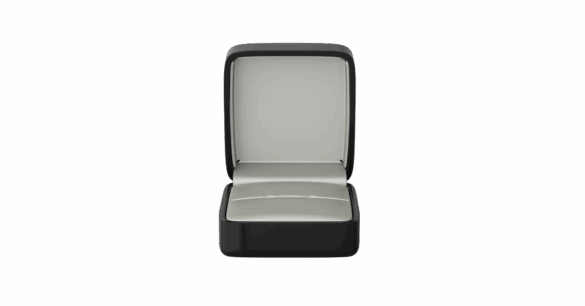
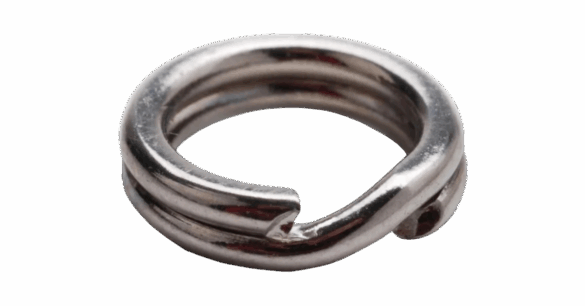
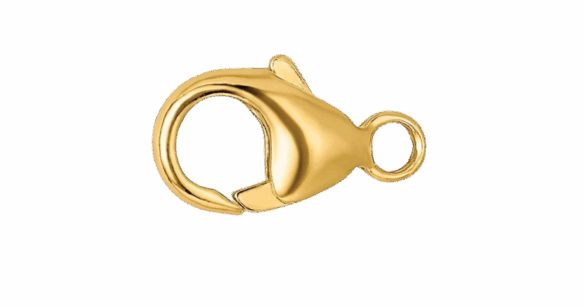
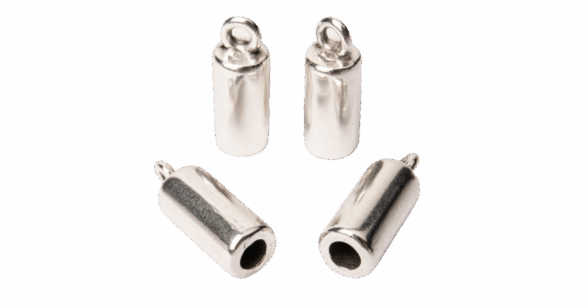
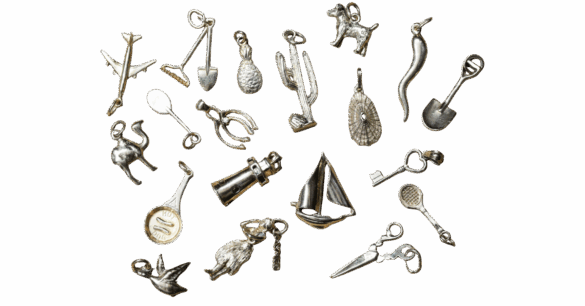
Materials typically include brass, stainless steel, sterling silver, and plated base metals, depending on strength, weight, and finish requirements.
How Chains & Components Are Manufactured
While designs vary, most chains and findings follow a precision-driven production process:
Wire Drawing or Sheet Preparation
Metal wire or sheet is produced to exact gauges and tolerances.
Link Forming or Component Stamping
Chains are formed link-by-link or via automated machinery; findings are stamped or machined.
Cutting, Assembly, and Soldering
Links are cut, assembled, and soldered or welded where required for strength.
Surface Treatment & Plating
Components are polished, plated, or coated to achieve durability and finish consistency.
Quality Control & Load Testing
Finished parts are inspected for size accuracy, closure strength, and finish quality.
Because these components are used repeatedly across SKUs, even small inconsistencies can compound into larger production issues.
Key Manufacturing Decisions Founders Need to Make
Small components still require big decisions early.
Why it matters:
Different chain styles (cable, curb, box, rope) behave very differently under tension and wear.
What to consider:
Open vs closed links
Handmade vs machine-made chains
Visual density vs strength
Common pitfalls:
Choosing a delicate-looking chain that stretches, snags, or fails during normal wear.
Why it matters:
Wire gauge directly affects durability, weight, and cost.
What to consider:
Thinner wire = lower cost, higher risk of deformation
Thicker wire = stronger, heavier, higher material cost
Common pitfalls:
Optimizing for aesthetics without accounting for long-term wear or customer handling.
Why it matters:
Small dimensional variations can break assembly, clasps, or stone settings.
What to consider:
How tight parts need to fit together
Whether components are hand-assembled or automated
Acceptable variance between batches
Common pitfalls:
Loose tolerances that cause inconsistent assembly or high rejection rates.
Why it matters:
Soldering impacts strength, labor cost, and visual finish.
What to consider:
Soldered links for strength and longevity
Unsoldered links for speed and lower cost
Common pitfalls:
Skipping soldering to save cost — then dealing with breakage and returns later.
Why it matters:
Plating quality determines wear resistance, color longevity, and customer satisfaction.
What to consider:
Micron thickness requirements
Base metal preparation
Adhesion testing standards
Common pitfalls:
Thin plating that wears through quickly or flakes due to poor surface prep.
Why it matters:
Minimums and batch sizing affect pricing, consistency, and reorder flexibility.
What to consider:
Minimum order quantities per SKU
Batch-to-batch color and weight consistency
Reorder lead times
Common pitfalls:
Agreeing to low MOQs that compromise quality control or consistency.
These decisions directly impact wear performance, assembly efficiency, and customer satisfaction.
Common Challenges in Chains & Components Production
This category is often underestimated because of its size — but it’s highly technical.
Common risks include:
- Inconsistent link sizing or spacing
- Weak solder joints or open links
- Clasps failing under normal wear
- Poor plating adhesion leading to discoloration
- Color mismatch across batches
- Suppliers prioritizing speed over tolerance control
Reliable components require disciplined manufacturing and QC, not just low pricing.
How Sourcify Supports Chains & Components Manufacturing
Sourcify helps brands source components that integrate cleanly into finished products.
We support this category by:
- Matching you with component-focused manufacturers experienced in chains and findings
- Vetting suppliers for tolerance control and plating reliability
- Managing sampling and fit testing
- Aligning MOQs with broader product launches
- Ensuring finish consistency across reorders
- Planning backup suppliers to reduce dependency risk
Our focus is on components that perform consistently, not just look correct at first glance.
Who This Is Best For
Chains and components sourcing through Sourcify is a strong fit for:
- Jewelry brands building modular or multi-SKU collections
- Teams scaling production volume
- Brands experiencing fit or durability issues
- Founders seeking consistency across repeat orders
- Companies assembling products across multiple factories
Ready to Get Started?
If you’re sourcing chains, findings, or jewelry components and want reliability from the start, we can help.